JENGIEXPOR S.A.
Ecuadorian balsa · Ochroma pyramidale
Quevedo, Los Ríos
The name
Jengiexpor was born with ginger in mind. The land decided otherwise. Today we grow balsa in the same province that, in 1947, gave up the nine logs Thor Heyerdahl took across the Pacific. They came down the Palenque river to Guayaquil, and from there to the world. The crop changed. What we do did not: taking something the world needs out of Los Ríos. That is why the name stays.
The product
Balsa (Ochroma pyramidale)
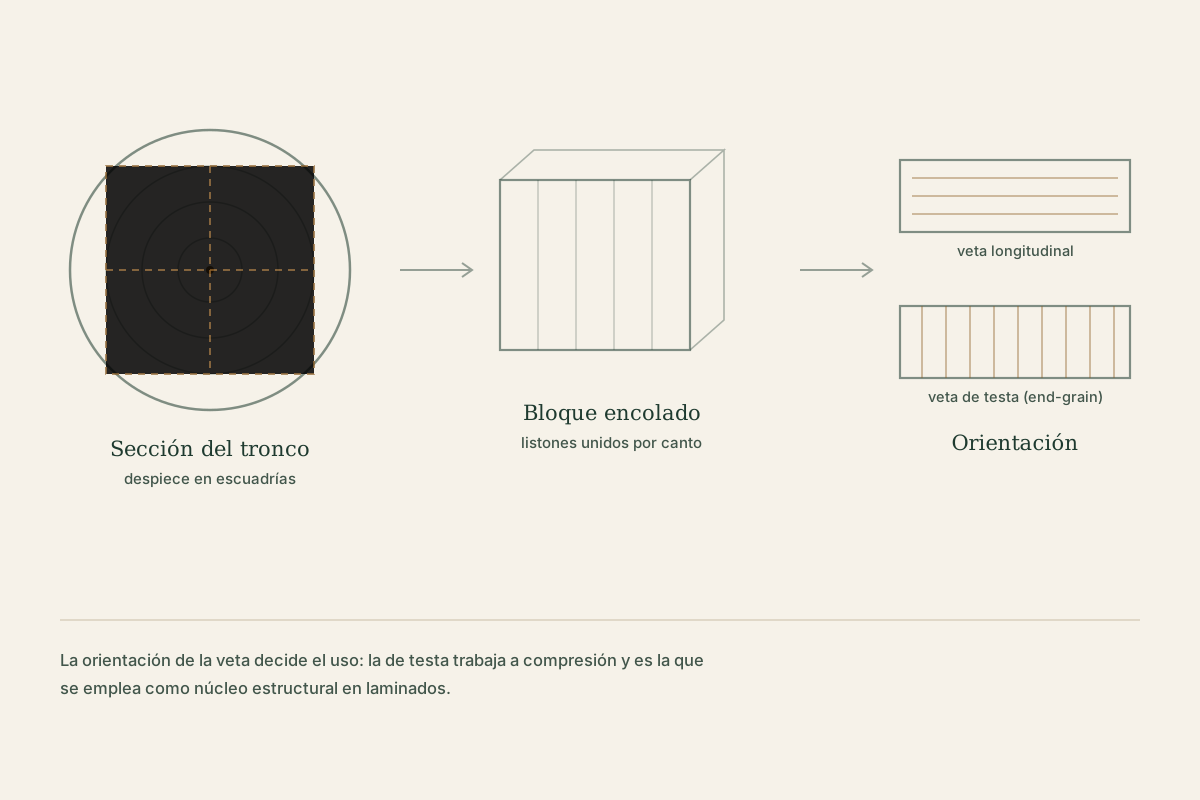
Balsa is the lightest commercial timber in the world and the benchmark for structural cores: high specific stiffness, good perpendicular compressive strength and predictable behaviour in laminates.
We sell sawn timber. Boards in the sizes agreed with the buyer. We do not run our own kiln, so material is supplied green or air-dried: kiln drying and further processing are on the buyer's side.
Our product
- Product
- Sawn balsa timber
- Sizes
- To be agreed with the buyer
- Drying
- No kiln: green or air-dried
- Presentation and packing
- Agreed per order
- Density and grades
- To be characterised at first harvest
Species reference
Published data for Ochroma pyramidale, not measured on our own material. Given for orientation; figures for our lots will be published once we have our own test data.
- Air-dry density
- ≈ 100–200 kg/m³ for commercial timber
- Green moisture
- Very high; drying required before structural use
- Rotation
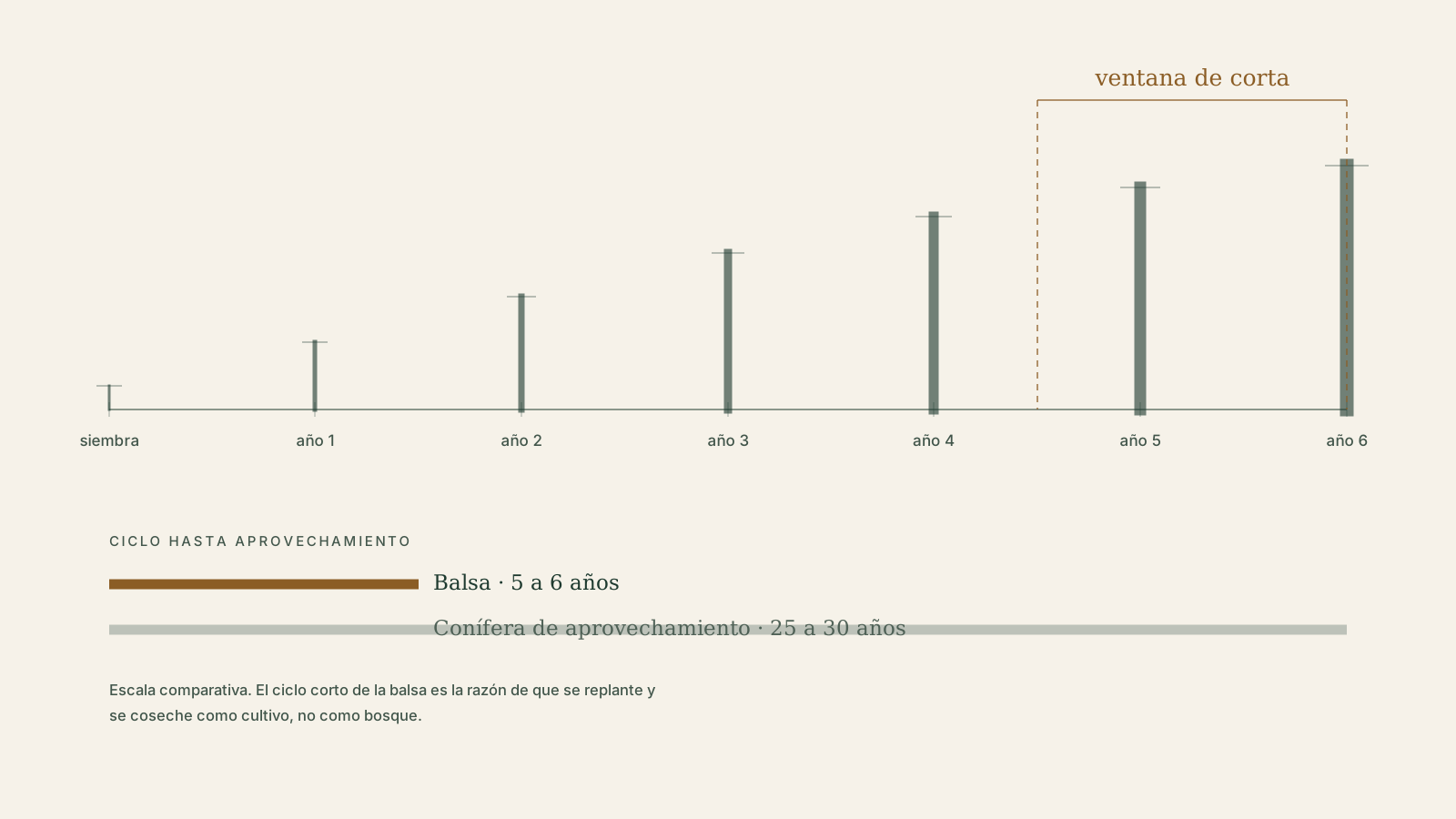
- 5 to 6 years in plantation
- End uses
- Composite cores, marine, model making, insulation
Growing and origin
Our own plantation in Quevedo
We grow in Los Ríos province, at the centre of Ecuador's balsa belt. The humid tropical climate of this basin is the reason Ecuadorian balsa is the world benchmark: here the species reaches harvestable size in a short cycle, far below that of any conventional structural timber.
We work from our own plantation, not by buying in from third parties. That allows full traceability from stand to shipment: every lot will be traceable to its plot, its planting date and its felling date.
Plantation
- Planted area
- 15 hectares (first planting)
- Rotation
- Felling expected between the fifth and sixth year
- Estimated output
- 500 – 1,400 m³ sawn at first harvest (estimate based on sector yields, not a supply commitment)
- Location
- Quevedo, Los Ríos province, Ecuador
Contact
Let's discuss your project
We handle technical enquiries and sample requests from manufacturers, distributors and importers. Write to us stating application, estimated volume and destination.
- Email consultas@jengiexpor.com
- WhatsApp +593 1000693103
- Location Quevedo, Los Ríos province, Ecuador